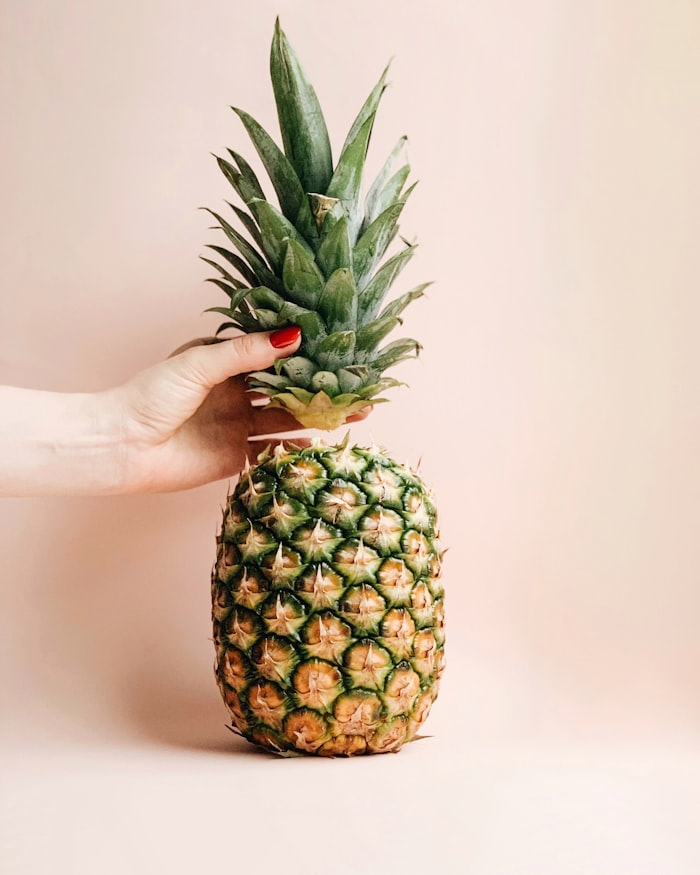
Growing pineapple
It consists of several minerals and vitamins and also tastes great. No wonder Pineapple is considered to be a wonder fruit. Pineapple is usually grown in a tropical kind of climate as it flourishes primarily then. However if you can keep in check, the quantity of cold winds and frost it is being exposed to, you can grow pineapple in any type of environment. You can start finding out how to grow pineapple inside your house if you live in an area having cold weather conditions. Yes it is possible to do so, but do not expect to get the same type of fruit you would from tropical areas like Hawaii.
You can follow the steps provided listed below to grow pineapples:
Step 1: The first step is to buy a pineapple, from a fruit stand, a grocery store or from anywhere really. You can remove the strip and enjoy the fruit. All you need to keep is the crown. The crown will help you grow your plant.
Step 2: Prepare your soil. You should make sure that while keeping it damp, you ought to not allow the soil to retain water for long periods of time. You can put any amount of fertilizer to keep the soil healthy and apt to grow the fruit into.
Step 3: Now, you need to dig up a hole in the soil and plant the pineapple on top, keeping the crown of the fruit exposed. When the pineapple has actually been planted in place, you need to water it regularly and fertilize it. Watering the pineapple needs to be done once in a week and feeding it with a fertilizer is needed once in every two months.
Step 4: 20 Months are required for a pineapple plant to produce a delicious fruit under tropical conditions. However your plant can take longer amount of times to bear fruit.
Step 5: If you see a flower growing after waiting for a minimum of at least four months, that's your indication that the pineapple fruit is practically ready. By seeing an abundant golden color of the shell, you can inform that the fruit is ripe. The ripening of a fruit can be seen by the change in color of the pineapple. The change in color starts at the bottom and slowly moves up-wards as the fruit ripens.
You can also keep a few of the following points in mind while planting pineapples:
A pineapple will always taste much better when it has actually been ripened on a plant instead of on racks. Talking on a more business level, the pineapple is gotten of the plant well before it has reached its full potential.
To secure the pineapple fruit from cold extreme weathers, you can grow it indoors. Nevertheless you must make sure that the plant still receives adequate sunlight. Extreme watering can kill a plant. So avoid it.
Gardening is always a happiness. If tending your garden alone, it offers you a time of solitude and peace which is most valuable for urban dweller who is always surrounded by all the rowdiness and noise; and quite need that get-away. If you can have a possibility to enjoy gardening in a neighborhood, you will find that that is a good chance for you to join your neighbors and buddies; and meet great people of like-mind.
You do not need to confine yourself to growing just one specific variety of plants. It is always a wonderful experience to try out growing different types of plant. One, two or perhaps more growing failures does not mean that you do not have green fingers. It just shows that you have not get the know-how of growing that specific type of plant.
Today, I want to show you the enjoyable of growing pineapple.
- Choose a fresh looking pineapple. You can quickly get one from the fruit store. Get one that still has a top with all the green spiky leaves still connected. Evaluate out the freshness by shaking a leaf from the top to see if it comes off quickly. If it does, choose another one that does not have its leaf drop off easily when you tag at it.
- Cut off that part of the stem of the pineapple where the leaves start to grow. The fruity part of the pineapple is not needed. Any fruity part if left connected with the stem will cause rotting later.
- Pluck off all the lower or outer leaves of the pineapple stem, leaving just about 5 or 6 huge leaves and whatever smaller leaves that are still in the centre.
- Leave the pineapple stem to dry for a number of days so that it will solidify off. Decaying is not likely to happen if the stem is hardened.
- Let the pineapple stem stand in a shallow dish of water about 1/2 inch deep. Deep sufficient to dip your pineapple stem into but not so deep as to touch the leaves. I suggest using a cylindrical container so that your pineapple stem can stand upright.
- Now leave the pineapple stem in a bright area but away from direct sunshine. Let it remain there for a couple of weeks to wait for the roots to develop.
- When the roots have developed, move the pineapple stem into a deep pot filled with well-drained potting mix or any bright spot of your garden that has well-drained soil to continue growing until fruiting happens.
- Finally, if it remains in a pot, leave your potted pineapple plant in a bright area. Pineapple plant takes pleasure in full sun.
How long does it take to grow a pineapple? Pineapples are fairly sluggish growing Bromeliads. From slips they take about a year to develop enough to form a flower for fruit. From suckers about 1 1/2 years to form flowers and from cuttings they can take 2 1/2 years to develop enough to flower. As soon as they flower it takes another 6 months for the fruit to grow
What Does the Pineapple Symbolize?-How long does it take to grow a pineapple
The influence of the pineapple fruit appears in the captivating selection of decorations available that use the pineapple kind as part of its creation. We become aware of architectural components like pineapple pedestals, pineapple brackets and corbels along with pineapple wall sculptures, and of its use in the kitchen area in the form of pineapple napkin holders and trivets along with bookends to grace your desk and library with hospitality and an air of friendliness and heat. The pineapple has undoubtedly a colorful history covering from colonial times and is today heralded as the princess of fruits and credited as the symbol of hospitality and welcome. To offer the pineapple as a gift communicates your intent to promote friendliness and graciousness to the recipient. The pineapple began at first as the fruit of the rich and guests were revered and charmed when a pineapple was positioned in the middle of their presence in the dining location for that suggested the quantity of regard and factor to consider the person hosting besot upon them. Colonial America drew a refreshing and inspiring ways in using the pineapple motif in indulging their guests to the table and for a night spent at their home. Fresh pineapples were welcomed and valued as a pricey dessert for visitors while the thought of spending quality time in a space greatly decorated with pineapple styles in the bedposts or headboards were considered luxurious and gratifying.
The Origin of the Pineapple: The pineapple fruit might have originated from Brazil and Paraguay in South America where it reportedly received a boost into the European markets through Christopher Columbus who discovered the pineapple fruit in Guadeloupe in 1493. It was nicknamed the "pina" since it looked very much like a pinecone and gave Spain. Sir Walter Raleigh was also very interested in the pineapple which he affectionately described as the princess fruit. The interest in bringing this fruit into Europe then began. However, the Europeans were not exactly sure how to grow the fruit and its arrival into Europe only began around the late 16th Century taking the Europeans nearly 2 long centuries to study and grow this much preferred fruit. When in Europe, this tasty fruit ultimately wove its way into Holland and England. The English society was really pleased with the very first pineapple developed by the Royal Gardener, Mr John Rose for Charles II that it also motivated Hendrick Danckerts to paint the picture of the discussion of the fruit in 1675. The much renowned pineapple was then grown in India and infected China and in 1777, made available in the Pacific Islands through Captain Cook.
The Inspiration of the Pineapple: The English who were overwhelmed with the charming pineapple fruit drew motivation from its looks and distinct shape. As a result, the pineapple fruit influenced the coat of arms and was used as an architectural component in pottery and planters. The creative appeal and decorative impact that the pineapple fruit rendered were significant and the pineapple sign inspired bed posts, tablecloths, napkins and napkin holders along with bookends and candle holders. The sign of this treasured fruit grew to be represented on any form of decorations that were visibly displayed for visitors to enjoy and feel welcomed. Even till today, the pineapple fruit raises much interest in states like Virginia, Hawaii and Florida where using pineapple themed accessories and gifts are instrumental in highlighting the peace caring and hospitable people who reside within.
The Medicinal Powers of the Pineapple: The pineapple is also credited with having recovery powers and records indicate that its tasty juice was used for curing throat infections, arthritis, bronchitis and indigestion. Making use of the pineapple for the treatment of diseases was however restricted to the natives who originally grew them. It is not certain regarding whether this fruit was used for any healing purposes in colonial America. Modern studies also validates that the fruit includes an enzyme known as "bromelain" which might be used in the treatment of heart problem, combating sinus congestion and also be used in the treatment of urinary tract infections. Fresh pineapple is loaded with Vitamin C and accelerate tissue growth and repair work. Worthwhile of note however is that bromelain is contained in fresh pineapple and canning appears to damage this enzyme but not the Vitamin C content.
The Entry of the Pineapple into the Americas: Colonists started importing this scrumptious fruit from the Caribbean in the 17th Century and it soon took root as one of the revered and luxurious fruits known available to the wealthy. Given that it was difficult to bring in this fruit into the nation considered that the trade routes where this fruit was acquired was thought about hazardous, it was considered a significant achievement to produce such an uncommon fruit for the visitors. That celebration was usually booked for the wealthy class to engage and enjoy but there was also celebration when the pineapple was leased to elevate an individual's rank in society for showing the ability in bringing to the table such a pricey fruit for display. The pineapple fruit then eventually started to take on a new significance as a symbol of warmth and friendliness. It was the crowning piece used for the big display screens of food that the rich come up with to the table. The hostess took much pain and difficulty in elevating her family's social status in colonial American society by presenting pineapple display screens as it suggested a resourcefulness in engaging a distinct display of food for all to admire and share. History records that New England sea captains would impale a pineapple outside their houses on gateposts or on their front doors as a symbol of safe return after returning from risky trade routes in the Caribbean or Pacific. Today, business production of pineapples is credited in the state of Hawaii and Florida where Hawaii is significantly among the world's biggest manufacturers of canned pineapples.
Making use of the Pineapple Theme in Decorating: Even till today, Americans continue to show interest in embellishing the home with pineapple designs. Not only are pineapple styles widespread in the home in locations like the foyer and living areas as well as cooking area, they are also noticeably shown in the form of pineapple finials on gateposts or as fountains for the garden. Making use of pineapple plaques highlighted with the warm, welcoming words "Welcome to our Home" has actually become a common sight. Virginia still continues to be one of the main states that ardently displays pineapple motifs and styles in many of their home devices, still highlighting the pineapple symbol as the greatest form of hospitality rendered. The pineapple symbol is also an accent that is strongly welcomed by their hospitality market where screens of pineapple themed components and decorations on wall papers and furniture, are famous. Virginia highlights many traveler destinations that imbibe making use of the pineapple into its architectural landscape. The Shirley Plantation highlights 3.5 feet of wood pineapple built in the late 1700s on the peak of the roof line as a program of hospitality and as an invite to river tourists coming to the plantation. The establishment also highlights making use of stunning pineapple motifs within its properties.
No one can therefore give the historical, social and financial impact of the pineapple fruit which was when compared to the pinecone. While the production of pineapples have sustained the economies for the states of Florida and Hawaii, the symbolic designs and good appearances of the pineapple has also resulted in much motivation in decorating concepts and styles using distinct pineapple themed devices for the home and garden. The pineapple also continues to inspire the hospitality industry in a lot of these states which was accountable for supplying this fruit to the rest of the Americas, highlighting the deep significance attached to the sign of the pineapple.